Essential Safety Checks for Independent Living
Creating a Safe Home Environment for Independent Living
For many older adults, staying in their own home as they age is a deeply held goal. The comfort of familiar surroundings, the independence of making daily choices, and the connection to a community all matter. But maintaining that independence safely requires thoughtful planning. A practical safety checklist, reviewed regularly, can help seniors and their families identify gaps before they become problems. This article walks through the key areas to consider, with an emphasis on how a senior safety device can play a supporting role without taking over anyone's life.
Checking the Home for Physical Hazards
The physical layout of a home changes over time. What felt safe at 60 may present real risks at 80. Start by looking at floors. Loose rugs, cluttered pathways, and uneven transitions between rooms are common causes of falls. Secure rugs with non-slip pads or remove them altogether. Ensure that walking paths are clear, especially in hallways and near the bathroom. Good lighting is just as important. Install night lights along the route from bedroom to bathroom, and put brighter bulbs in stairwells and entryways. Consider adding grab bars in the shower and next to the toilet. These simple upgrades can make a big difference in daily confidence.
Reviewing Daily Routines and Personal Safety
Beyond the home itself, think about the rhythms of daily life. Does the senior in question have a consistent routine? Regular meal times, medication schedules, and social contact all support well-being. A sudden change in routine can be a warning sign. A wearable senior safety device that includes fall detection and an SOS button can offer peace of mind, especially for someone who lives alone. The device can automatically alert a family member or an emergency contact if a fall is detected, even if the person cannot press a button. This kind of support helps seniors stay active without constant worry. For families, knowing that help can reach their loved one quickly reduces stress.
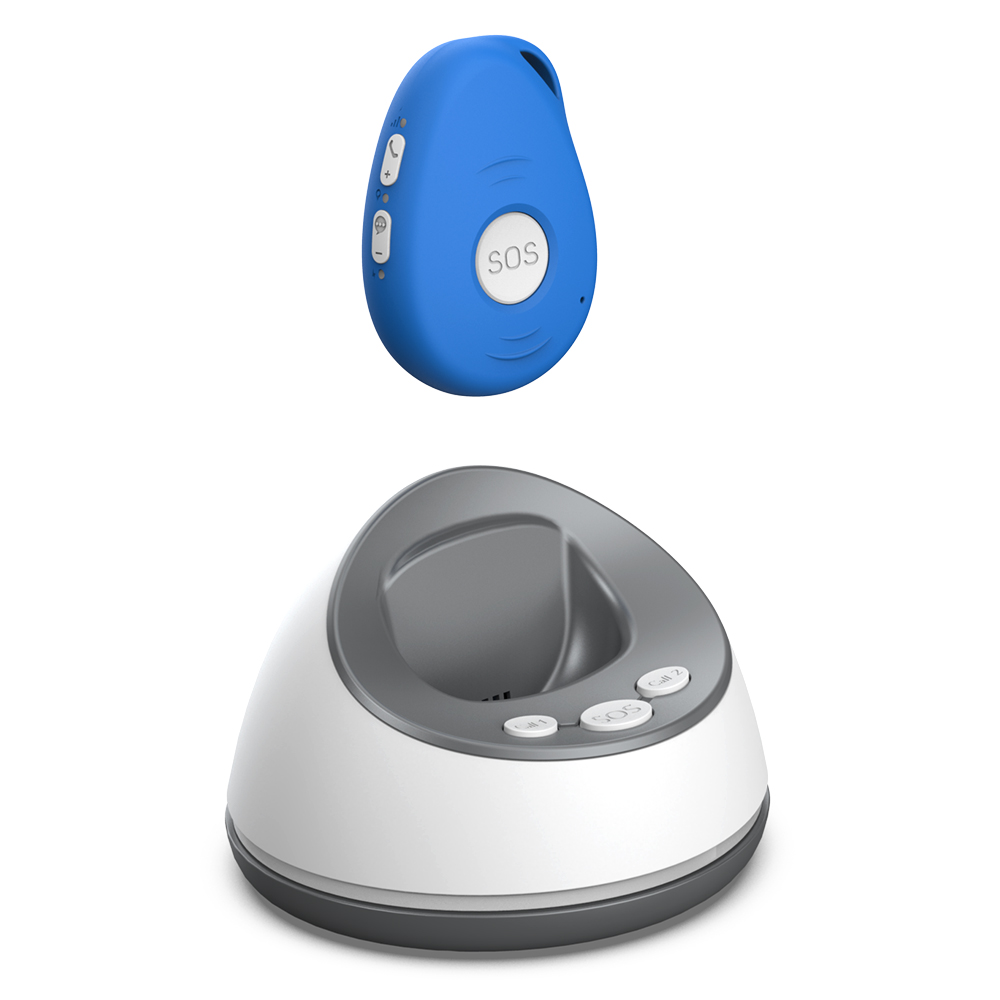
One practical tool for this purpose is the GPS tracker from familyr.co.nz. It combines location tracking with SOS alerts and fall detection, all without a monthly fee. Having a device like this can be part of a broader safety plan, not a replacement for good home design or regular check-ins.
Ensuring Communication and Family Check-In Systems
Staying connected is vital. Set up a simple system for regular family check-in. This could be a daily phone call, a text message, or a shared calendar where the senior marks their activities. Some families use a "good morning" text that the senior replies to each day. If the reply does not come by a certain time, a family member calls to check. This low-tech approach works well alongside a senior safety device that has two-way voice communication. With two-way voice, a family member can speak directly through the device to check on their loved one, or the senior can initiate a call for help. It adds a layer of connection that a simple alarm button cannot provide.
Securing Medication and Health Management
Medication mistakes are a common risk. Use a pill organizer with compartments for each day and time. Set reminders on a phone or a simple alarm clock. If memory is a concern, consider a medication dispenser that locks until it is time for the next dose. Keep a list of all medications, dosages, and prescribing doctors in a visible place, and share a copy with a family member. Review the list with a doctor or pharmacist at least once a year. For seniors with chronic conditions, a wearable device that can detect falls and send an SOS alert is especially useful. If a medical emergency happens, the device can bring help fast, even if the person cannot reach a phone.

Planning for Emergencies and SOS Contact
An emergency plan does not need to be complicated, but it must be clear. Identify who the first contact will be in a crisis. This could be a nearby family member, a neighbor, or a friend. Post emergency numbers near every phone and on the refrigerator. Make sure the senior knows how to use the SOS feature on their safety device. Practice with the device so that pressing the button becomes automatic. For a device like the one from familyr.co.nz, the SOS alert can be set to notify multiple contacts, so help is never far away. Also, consider a backup plan for power outages or when the phone line is down. A battery-powered radio and a charged mobile phone can keep communication open.
Assessing Mobility and Daily Activity
Mobility changes over time. Check that the senior can move safely around the home without struggling. Look for signs of fatigue, dizziness, or unsteadiness. If walking becomes difficult, a walking aid like a cane or a walker may help. Encourage gentle exercise to maintain strength and balance. Many community centers offer chair-based exercise classes designed for older adults. A senior safety device that tracks location can give family members a sense of where their loved one is during the day, which is useful if the senior tends to wander or has memory issues. The GPS and Wi-Fi location features in the Familyr device allow for accurate tracking without the need for a monthly subscription.
Staying Socially Engaged and Mentally Active
Isolation is a serious risk for seniors living alone. Loneliness can lead to depression and a decline in physical health. Encourage regular social contact, whether through community groups, religious services, or regular visits from family. A daily phone call or video chat can help. Some seniors enjoy using a tablet to browse photos, play games, or read news. For families who live far away, a senior safety device with two-way communication can bridge the gap. It allows for spontaneous conversations and check-ins, making distance feel smaller.

Reviewing the Safety Checklist Regularly
A safety checklist is not a one-time task. Revisit it every few months or whenever a change in health or living situation occurs. New medications, a recent hospital stay, or a change in eyesight can all affect safety. Adjust the home environment and the safety tools accordingly. The goal is to support independence, not to restrict it. With the right mix of home modifications, communication routines, and a reliable senior safety device, many seniors can continue living in their own homes safely and happily.